

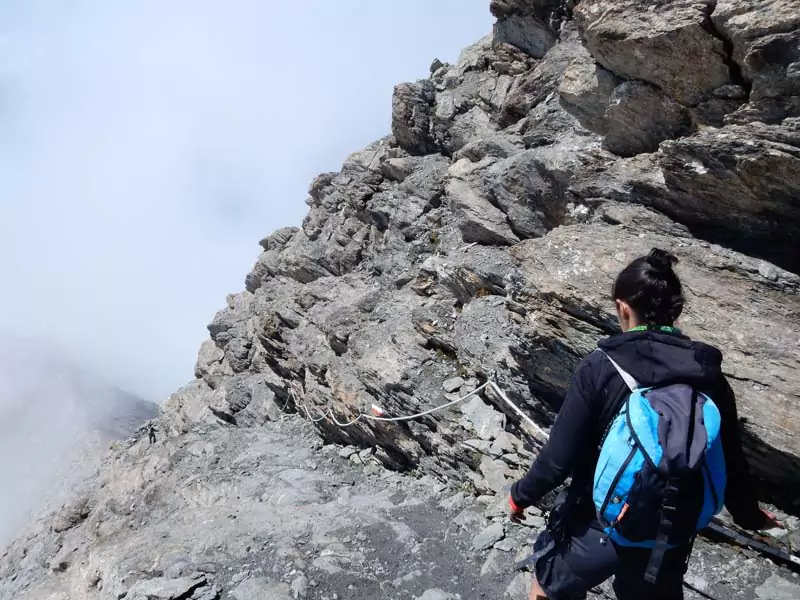
Image Credit: pxhere.com
Trekking in the Himalayas, EBC Trek is memorable, and you will discover joy in assembling adventure, stunning valleys, primitive ethnic groups, and freedom. Yet it would also carry a whole slew of issues, too: less oxygen circulating through the body may dampen physical performance and overall health. Good physical condition.. As you must be healthy enough to trek at high altitudes, you should be in good physical condition.
High-altitude climbing is a mix of physical preparation, acclimatization, anand mindsetHere in this guide we’ll take you through what you need to do to get your body in peak condition for the rigours of high altitude trekking, from building endurance and strength, to a buddy introduction to altitude sickness – and how to avoid it.
Build Cardiovascular Endurance
The cardiovascular system is prime whilst training for high-altitude trekking. When you are at altitude, “you’re hard on your body,” he continued, “and you want the component to be in complete working order so there’s the proper amount of oxygen to get in your muscle groups, so you must have stable cardiovascular fitness.” The following are some specific ways to increase your cardiovascular endurance:
Running – If you go for long-distance running regularly, then it is a good way to have strength in heart and breath, building exercise. Build up stamina by running longer and add more distance after every run.
TREKKING Train for a trek by trekking. Start with shorter hikes as you are at the foot of mountains or trails, then work up to longer ones. Perhaps put some weight into your backpack so you can get used to hiking with the amount of weight you’ll be carrying.
The bike: Cyclists just do not place the same amount of stress on their Achilles as running, but you will be able to work on your endurance. A long, slow ride will also up your oxygen delivery hardware (your muscles’ very own personal cardiac system, it’s very cool), which is very much an important aspect of the A.C.E.
Stair Climbing: You’re going to be steadily going up when you’re going up, so stair climbing is a fantastic way to prepare your legs to have the strength and stamina needed.
Ensure your training plan comprises steady-state, high-intensity intervals, and long rides, so you work on all three systems in the cardiovascular system.
Focus on Strength Training
Yes, cardiovascular fitness is fundamental, but the make-or-break on a high elevation hike is carrying a few pounds over a 5+ hour hike, every day, in high altitude. The terrain will be varied, invariably hilly, and you’ll have that added weight of a rucksack that will need to be hauled around by some true muscular endurance and strength.
Key areas to focus on:
Legs: There are loads of taking walks up and down hills at those locations, so you’ll want to have robust quads, hamstrings, calves, and glutes. Squats, lunges, and calf raises are all proper for strengthening these muscular tissues and for better stability while taking walks.
Lowdown: Ideal for balance and stability, especially over rocks or uneven terrain. Planks, Russian twists, and leg raises should be something you can use to get a strong core.
Upper Body Like many things in life, Upper Body is a leg workout, but you will need upper body strength to hoist your pack. Since hill sprints aren’t the height of fun, you can make it a little easier on yourself to haul yourself up that hill by doing exercises like push-ups, shoulder presses, and rows to help strengthen your arms and shoulders.
Balance and Stability – Those exercises that force you to be able to keep your balance (standing on one leg, doing a single leg squat, standing on a balance board) also mean that you’re much less likely to fall when you’re walking on an uneven or slippery surface, and if you DO happen to trip or stumble, these types of exercises allow you to react without seeing your life flash before your eyes…
Simulate High-Altitude Conditions (If Possible)
“If there is any sort of incline, use it to your advantage to condition yourself closer to the action of what climbing is going to be like on your trek,” Domel said. Inhale Thin Mountain Air.r The act of climbing at elevation will acclimate your body to thinner air and less oxygen. Secondly, if you’re not living at altitude, there are a few things you can do to try and mimic the effects of altitude:
Altitude Training Masks: These masks mimic low oxygen levels to help your body adjust to high altitudes. They’re still not something everyone agrees that works for you, but they can be helpful if you can’t train at altitude.
tl;dr No mountains, the steeper the better. 搭 Hilly Treadmill: tl;dr, no mountains, the steeper you can make it, the closer you can get to mimicking those big hills. You can approximate the slow, struggle up the incline, and help develop the strength needed to conquer the hills.
Learn to Love Weighted Backpack Hiking
Assuming you are hiking at altitude, you’ll carry a backpack laden with gear, food, and water. Get your body used to carrying a rucksack by training with a weighted rucksack. It begins with a low load, which diminishes or increases in weight according to your improvement. It’s an amazing way to stretch your muscle tissues and joints out in coaching for the hike.
You don’t want to be that character who has a backpack that is too big and too uncomfortable.CAMPING: N ot properly adjusted or fitted backpacks may give you back or shoulder pain for hiking in a good place. Your pack should fit you, and the weight should be distributed evenly.
Get Ready for Altitude Changes
Up there, there’s not as much oxygen in the air. It’s your body trying to get used to breathing in less oxygen. This phenomenon is referred to as acclimation. It’s so you have something to pace against when training for the event.
To prevent altitude illness and enhance tolerance of high altitude:
Acclimatizing Training: Getting your body to function above sea level is essential. Make sure you get to higher elevations if possible and spend a few days in the mountains before you leave to begin your trek. That could be shorter stays at a little higher altitude, or getting high elevation-wise. For several days before your trip.
Importance of Hydration: Dehydration is intensified at altitudes, anyway—it’s one reason why you get drunker faster when you’re up in the clouds; hence the phrase “mile high club.” You need to drink between 3 – 4 litres every day while you are on the trek. Stay away from alcohol and caffeine as they can lead to dehydration.
Send Me to the Sky: In mountain communities, lucky are those who can sleep for a few nights at high elevation before heading to Yosemite. It will even kick off your body’s acclimatization to climbing, now to the full trek.
Relaxation days: Plan relaxation days at locations that assist you to acclimatise to the continuously growing altitude of your trek. This could help your body adapt better to excessive altitude, and accordingly, you may be able to reduce the consequences of altitude sickness.
Conclusion
Everest Base Camp Treks Acclimatizing for hiking at altitude is more than just jumping up and down hills; it’s a comprehensive physical training program, a conscious acclimatization strategy, and using your smarts. And besides getting your heart, muscles, and head acclimated, and learning how to better mitigate the challenges of altitude, you will have the advantage of being that much fitter to answer the physical demands of the trek.
Prepare for success soon. Plan as if you will be successful as soon as you land. Get into peak physical condition for the trip, and you may not only make it to the top (or base camp) but do it from a healthy, strong, and clear-minded space. Travel is part of the trip just as much as the arrival. Enjoy the journey.
