

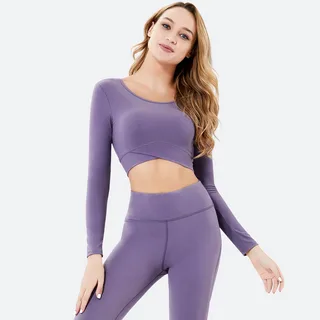
In the textile and clothing industries, people are often very concerned about the type of fabric, the design, and the stitches used. Yet, quietly working behind the scenes is a thread that affects both the quality and lifespan of the garment. Inexpensive thread can lead a shirt to degrade much sooner than thread from better materials. Here, we look at how high-quality threads are key to clothing longevity and should get more attention as the top supporters of clothing quality.
Introduction: Why It Is Important to Consider Thread Quality
Stitches in a garment are joined together by thread. Interesting fabric may attract buyers, yet the real value of a garment comes from how it is stitched, meaning the stitches have to be secure and smooth, and this is achieved through high-quality thread. There is more to threads than meets the eye; they play a major role in the framework of your program. Whatever holds the garment together is what holds the garment’s quality; any flaw in the thread can equal failure in the item.
If high-quality threads are used, garments keep their form, seams do not come apart, they resist wear, and they keep looking good for many uses and washes. Poor-quality threads can shrink, break, leak dye, or come apart, which may lead to the garment wearing out sooner. The importance of premium threads keeps increasing because the apparel industry now stresses sustainability, being cost-effective, and having happy customers.
Features of a Thread: Details on What Defines a High-Quality Thread
Examining how threads are made and what components they have can reveal the reasons behind their performance differences.
1. Fiber Composition
- Natural Fibers: Cotton and silk threads are soft and desirable aesthetically, but they are weak and susceptible to moisture degradation and UV exposure.
- Synthetic Fibers: Polyester, nylon, and Kevlar threads are stronger, have better elasticity, and are better at repelling abrasion. Polyester will remain the standard for what makes a good thread.
- Blended threads: Natural and synthetic fibers together frequently give a thread better performance characteristics and better feel.
2. Filament Type
- Spun Threads: Bundled short fibers together to produce thread. Commonly cotton and polyester threads. Doesn’t feel smooth, fuzzy to some extent, which provides more grip but increases friction.
- Core-Spun Thread: The Core of the polyester filament is wrapped in cotton or other fiber to make polyester corespun thread. Utilizes polyester for the strength benefits of natural fibers.
3. Twist and Tensile Strength
The amount of twist in the thread can affect its tensile strength and ability to flex. The high-quality threads will reference the right amount of twist, enough to make it durable yet not enough to make it brittle.
4. Lubrication and Finish
The thread is typically treated with a wax, silicone, or another type of lubricant to minimize friction during the sewing process. There are also different types of finishes that affect sewability, heat tolerance, and moisture absorbency.
Thread Performance Factors Influencing Garment Longevity
There are several technical characteristics that affect how the thread impacts the long-term durability of a garment.
1. Tensile Strength
Tensile strength is important because it ensures the thread will not break under tension (especially while being worn or washed). A thread of poor tensile strength will fail at the seams of any garment.
2. Abrasion Resistance
Apparel sees a lot of rubbing when they are worn, rubbing between layers of cloth, between cloth and skin, and from outside sources. Threads that can resist abrasion will contribute to making longer-lasting seams.
3. Elasticity and Recovery
A thread should be stretchy and recoverable, especially in activewear or tight-fitting garments. A thread that does not have good elasticity will have puckering, or distorted seams.
4. UV and Chemical Resistance
Not all threads withstand exposure to sunlight, sweat, or some detergents. High-quality threads will withstand these situations so as not to affect the performance of the garment over time.
5. Colorfastness
Bleeding threads can ruin the appearance of a garment, especially when treated on the first few washes. High-quality threads are dyed using dye processes that aid with long-term colorfastness.
Thread Quality in Different Garment Types
- Denim Jeans
Denim is a strong material that is under a lot of stress. High-end denim jeans use core-spun polyester-cotton threads for their topstitching and seams to maintain high strength and natural appearance, along with textured thread to weave logos on them.
- Low-Quality Thread Outcomes: The thread will break or unravel on topstitching or seams, or fray quickly in the highest-stressed areas (like the pockets or crotch).
- High-Quality Thread Outcomes: Even years later, the seams will stay together after extended wear or heavy washing.
2. Activewear and Athleisure
Activewear and athleisure require thread choices that are flexible and moisture resistant, which is why we often see high elasticity multifilament polyester threads.
- Low-Quality Thread Outcomes: Broken thread, puckering on seams, or distortion on seams caused by body movement, action, or sweat.
- High-Quality Thread Outcomes: Seams stretch with the body, and instead of permanent deformation, the seams rebound smoothly.
3. Formalwear and Dress Shirts
Precision in aesthetics is important. Fine, colorfast threads will be used for invisible seams and decorative stitching.
- Low-Quality Thread Outcomes: Visible threads discolor, seams break, and thread frays visibly.
- High-Quality Thread Outcomes: Smooth, accurate finishes that survive through the dry-cleaning or ironing process.
The Economic Case for High-Quality Threads
Though better-quality threads are more expensive to start with, they help reduce the overall costs in manufacturing, retailing, and owning goods.
- Diminishing Profits and Growing Number of Complaints
Fewer returns happen because of less clothing coming back as defective. Fewer problems, such as seams coming apart and color getting on other items, occur when you use strong threads.
2. Expenses for Repair and Alteration Are Lower
Stronger stitches mean that thread breaks are rare in commercial laundries, uniform supply, and alteration services.
3. How a Brand is Perceived by Its Customers
Well-known, high-quality clothing brands are likely to use top-quality materials. People view a brand as dependable when its garments last, which encourages customer loyalty.
How Sustainable is the Company
Fast fashion is a main cause of environmental waste. Because they are meant to last, high-quality threads help make fashion more sustainable.
1. Fewer garments are Ending Up in Landfills
Shifting threads or seams is needed sooner when clothes tear, rather than having them wear out longer. It means that end-of-life disposal is put off until later.
2. Using Less Natural Resources
Reducing the number of replacements requires using less water, chemicals, and energy during production. Using good quality threads preserves the lifespan of the fabric, which is more efficient for producing it.
3. Recycling and Upcycling are Possible with it
It is easier to reuse or unpick high-quality threads. They do not break down fabrics in washing, which keeps the materials suitable for other uses.
Innovations in Thread Technology Supporting Longevity
Companies in the thread industry are always working on innovations for better results, improved durability, and sustainability.
- Anti-Microbial Threads
Clothes like undergarments and sportswear should be kept free from odors and germs.
2. Flame-Retardant Threads
Worn in protective clothing by the armed forces, firefighters, and industry. Things like meta-aramid help guarantee both safety and durability, no matter the conditions.
3. Eco-friendly Material
Made using material from recycled polyester or polymers that can biodegrade. Durability and caring for the environment go hand in hand in these threads.
4. Smart Threads
Though tech is a main feature, there are some garments that can detect whether their stitches are weak and spot worn or damaged areas.
Training Designers and Manufacturers
Much of the time, things that reduce how long a garment lasts are due to a lack of awareness or missing training.
1.Selecting a More Suitable Thread
The purpose of the clothing, the type of fabric involved, and the weak points need to be understood by designers for them to pick the correct thread.
2. Correspondence of Thread and Stitch
Different stitches (like lockstitch versus overlock) produce changes in how tight and how much friction is created. Selecting threads that go well together is very important.
3. Developing the Skills of Sewing Machine Operators
Staff should know to check thread tension, pick the correct threads and needles, and manage threads as the spools are replaced.
Conclusion: Thread as the Hidden Foundation of Durable Fashion
Although hard to see, top-quality thread supports the structure and life of every garment. It affects the lifespan of our clothes, whether they are comfortable or too tight, or how earth-friendly our closet is. The correct thread can prevent the stress of denim seams and keep the quality of an evening gown through wear, washing, and years.
Because of both environmental pressure and rising expectations around products, people in the fashion industry have to review the materials they use. Improving your threads costs little but provides rewards to your organization, customers, and the Earth over time.
Behind each stitch is a message and a decision. If you pick sturdy thread, you choose durability, social awareness, and appreciation for workmanship.
