

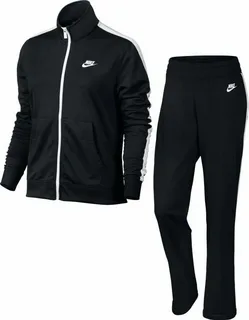
Athleisure and sportswear look effortless on store racks: smooth seams, sleek logos, bright colors that promise speed. Yet hidden inside every hoodie cuff and running-tight waistband lies a single, under-praised ingredient—thread. The type of thread a brand chooses can make or break a garment’s performance, lifespan, and even its sustainability footprint. Below, we unpack why this tiny detail deserves a starring role in every design meeting.
1. Performance Starts at the Seam
Modern athletes demand gear that moves like second skin. Whether you’re sprinting, meditating, or hauling groceries after work, all that bending, twisting, and sweating loads stress directly onto the seams. Standard cotton threads stretch poorly and weaken fast when wet, leading to popped stitches or puckered panels.
High-tenacity polyester and textured nylon threads solve those problems. They’re engineered with elongation built in, so seams flex instead of snapping. Some brands even blend elastic fibers—think spandex or PBT—into topstitching for 20 % extra give. The right thread keeps leggings squat-proof, sports bras shape-retentive, and track jackets from splitting at the shoulder on a long drive.
2. Comfort Rides on Stitch Profile
Ever worn a tee that chafes along the armhole? The culprit is often thread thickness and finish. Rough, oversized threads create bulky stitch ridges that rub skin. In contrast, micro-denier poly cores sheathed in soft cotton offer both strength and a near-silk hand-feel.
Brands also lean on flatlock or cover-stitch machines, but the outcome still depends on thread lubricants and twist balance. A well-oiled thread glides through knit fabric, laying flatter and reducing friction hotspots for marathoners and yoga enthusiasts alike. In other words, comfort isn’t just fabric—it’s the filament tying the fabric together.
3. Durability = Lower Returns and Happier Fans
Athleisure lives a rough life: gym lockers, cold-water washes, hot spin cycles, backseat sun bake. All that abrasion and detergent action degrades seams first. Corespun threads—polyester wrapped in cotton—combat fuzzing, while color-fast dispersed dyes keep contrast overstitching from bleeding after ten washes.
Testing labs simulate 50 laundry cycles, stretch sets, and snag pulls. Numbers don’t lie: garments stitched with bonded, UV-stable poly threads show up to 40 % longer seam integrity. Fewer failures mean lower warranty claims, less landfill waste, and loyal athletes who trust the logo.
4. Sustainability Isn’t Only Fabric Deep
Consumers now flip hangtags looking for recycled sewing thread like recycled nylon or Dope-Dyed poly jerseys. But if the thread is virgin petroleum fiber, that eco-story falls apart under scrutiny. Thankfully, certified rPET and bio-based PLA sewing threads exist and deliver comparable strength.
A seamless sustainability claim requires matching the shell fabric, lining, and thread ecosystems. Using a mono-material approach—100 % polyester garments with 100 % recycled polyester thread—simplifies future recycling and helps brands hit circularity goals. Small decision, big carbon win.
5. Aesthetic Edge and Brand Signature
Those neon zig-zag bar tacks on your favorite windbreaker? That’s thread doing marketing work. Designers use bold contrast stitching or reflective microbeads spun into thread to create night-run safety highlights. Thread choice affects how embroidery pops on caps or how logos sit flat on compression sleeves.
Speciality metallic or matte-finish threads help premium collections feel luxe. Meanwhile, moisture-activated color-change filaments now let logos shift hues as the wearer heats up, turning seams into live performance indicators. Thread, in short, has become a storytelling tool.
6. Innovation Keeps Moving the Goalposts
The next wave of smart apparel may embed conductive, silver-plated threads that track heart rate or muscle vibration directly in the seam. Early prototypes already weave Bluetooth antennas into drawcord tunnels. Choosing a base thread compatible with these coatings ensures garments remain soft and washable while housing tech.
Even for non-connected gear, nano-ceramic coated threads offer heat dissipation for extreme-temperature sports; antibacterial finishes limit odor for indoor cycling classes. Today’s “simple” seam is quickly becoming a micro-lab of performance science.
7. Cost Versus Value—A Numbers Game
Premium thread can run three to five times the price per cone compared with generic cotton. At first glance, finance teams flinch. But break it down across production: a pair of leggings might require only six to eight meters of total thread. Up-grading to a higher-grade filament could add just ₹3–₹5 to unit cost—far less than the ₹300 lost in refunds or one-star reviews when seams fail.
Moreover, robust thread decreases sewing line stoppages caused by needle breaks or skipped stitches, improving output by a few garments per hour. That operational gain often offsets the upfront cost entirely.
8. Testing and Certification—Trust Marks Matter
To back marketing claims, leading brands submit thread performance data alongside fabric specs. Certifications such as Oeko-Tex Standard 100 ensure no harmful substances, while Bluesign approval verifies eco-efficient chemistry. In highly regulated markets, stitching yarn must also meet flame-resistance or cut-resistance standards for occupational sportswear.
Investing in third-party validation may seem tedious, but it shields a label from recalls and boosts credibility with savvy shoppers.
Closing Strides
From a distance, athleisure is all about sleek silhouettes and high-tech textiles. Step closer, and you’ll see the humble thread quietly steering the show—dictating stretch, softness, strength, eco-profile, and even the wow factor of reflective logo stripes. Selecting the right filament early in product development saves money, elevates comfort, and strengthens brand trust once that garment hits the streets.
So next time your design team debates print graphics or pocket placement, slide a spool of premium thread onto the table. Because in the race for better sportswear, the winner often starts at the smallest line: the seam itself.
